

Mig-Tig welding
Welding is the procedure that allows the physical / chemical union of two joints by melting them, or by means of filler metal. This material can be the component material of the parts that are joined together, but it can also affect foreign material, called the filler material: in the first case we speak of autogenous welding (with or without filler material as appropriate) in the second of heterogeneous welding or brazing (in which the casting affects only the filler material).
It creates a permanent connection that differs from other permanent connections (for example nailing or gluing) that do not create the continuity of the material. With some autogenous welding processes, if performed correctly and according to certain principles, almost total continuity in the characteristics of the material of the joined parts is also guaranteed.
In its broadest sense, welding refers to the union by means of heat input of different materials, or with similar materials, since it is commonly carried out, for example, the welding of plastic materials. The welding par excellence takes place between metals.
Each type of welding takes place through different procedures and specific machinery. However, a generic process that unites the different welding processes can be described. To make a two-part weld, it is first necessary to prepare the two edges of the joint using what is called crimping. Then the joint is heated to different temperatures depending on the process used. When the joint is heated up to melt thus joining the edges with the material of the joint itself or with the help of a homogeneous filler material, it is called autogenous welding. If, on the other hand, once the joint is heated below the melting temperature, a heterogeneous material with a lower melting point is melted on it, it is called heterogeneous welding or brazing.
The heat necessary to implement the process is obtained with different systems:
• A flame produced by combustion of a gas with air or oxygen.
• An electric arc that is formed between two electrodes (one of them may be the piece itself).
• Electrical resistance obtained by Joule effect when a current passes through the pieces to be welded.
• High power lasers or other non-flame energy supply systems.
To obtain a resistant weld, technically good and free from imperfections, the melting area must be protected from oxidation phenomena and the molten metal must be cleaned of slag. To avoid oxidation, the welding must therefore take place in the atmosphere as free of oxygen as possible (inert): for this purpose, substances such as gas, borax, silicates and carbonates must be added to the area near the welding, which create a “protective cloud “near the melting bath and allowing the expulsion of the slag. In oxyacetylene welding, a reducing atmosphere is produced, while arc welding is carried out in the atmosphere produced by the combustion of the electrode coating or under gas flow.
The filler metal can be in the form of bars or continuous wire, which are brought closer to the melting area (flame welding and TIG welding, in English tungsten inert gas) or constitute the real electrode that melts due to the electric arc which it causes.

Cold sheet cutting

Cold tubular and profiled cutting
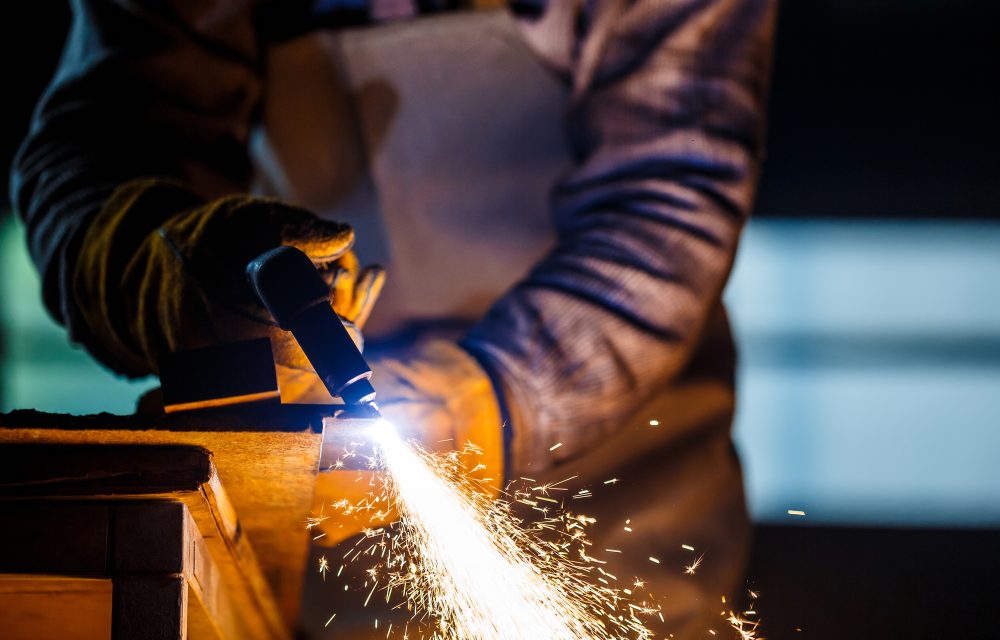
Plasma cutting
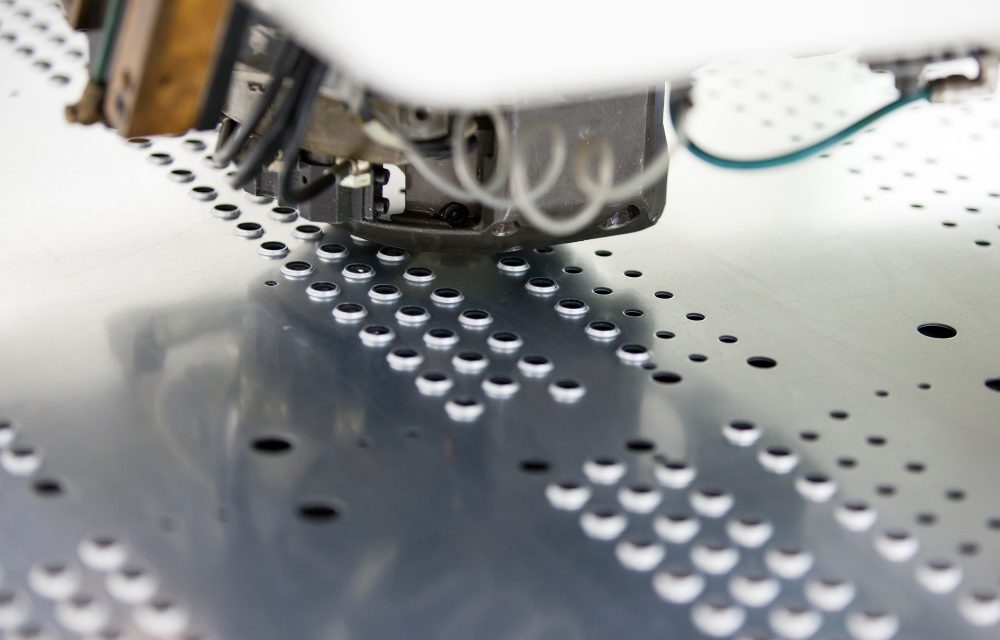
CNC nibbling

CNC punching
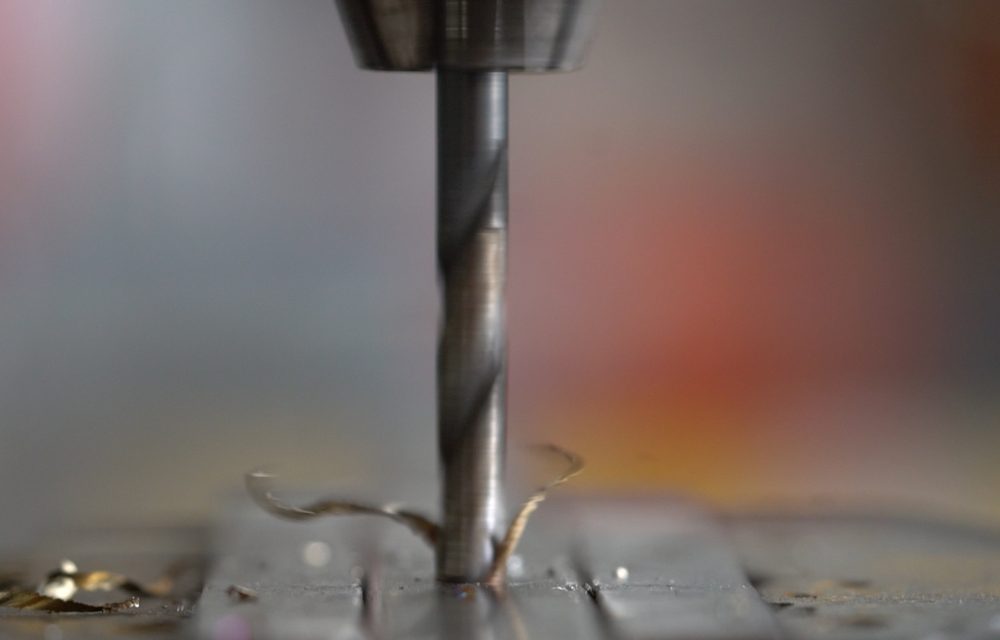
Drilling
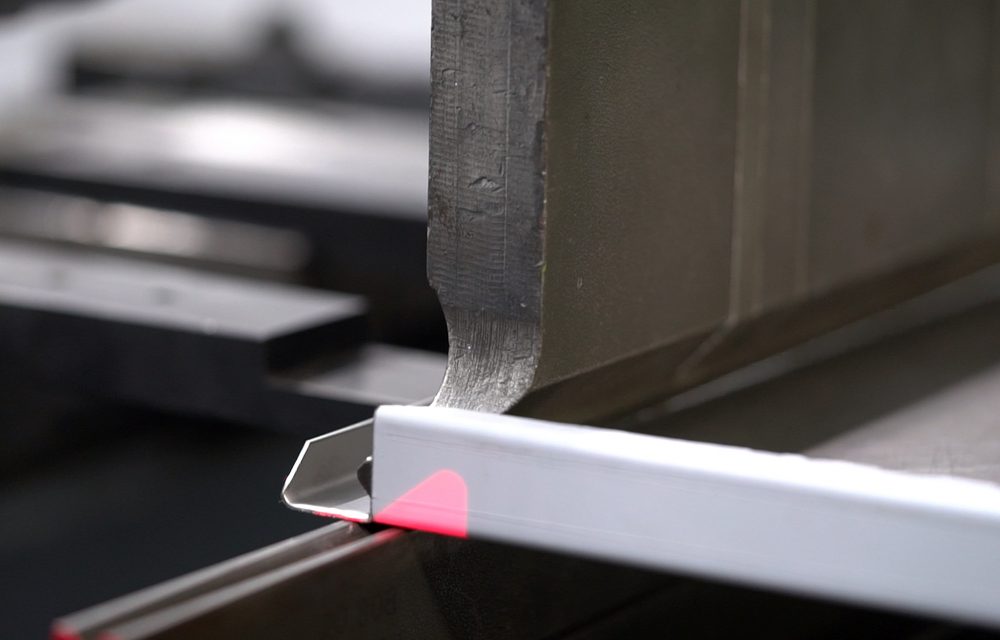
CNC bending
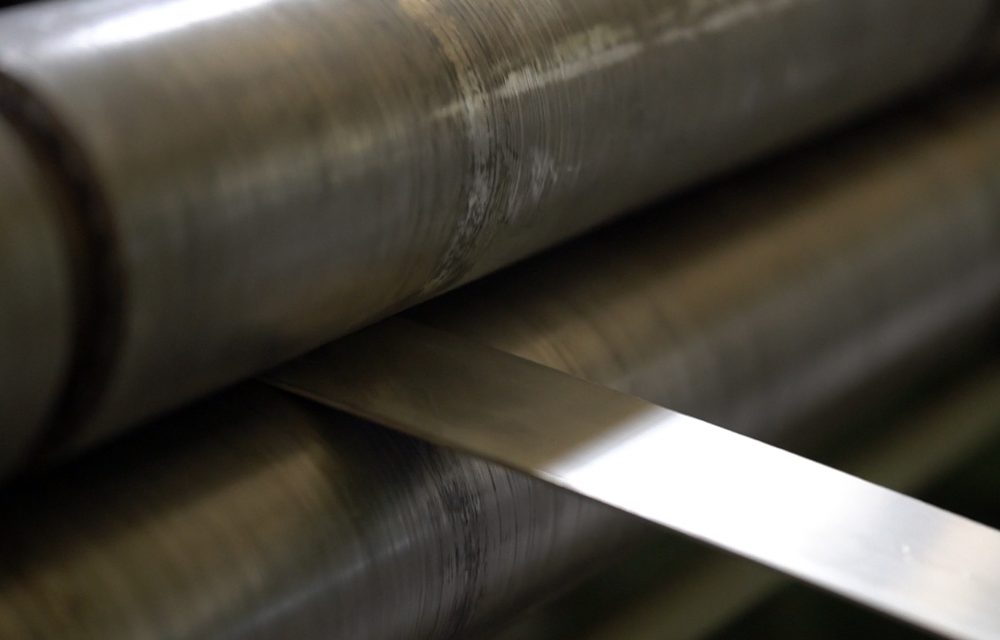
Calendaring
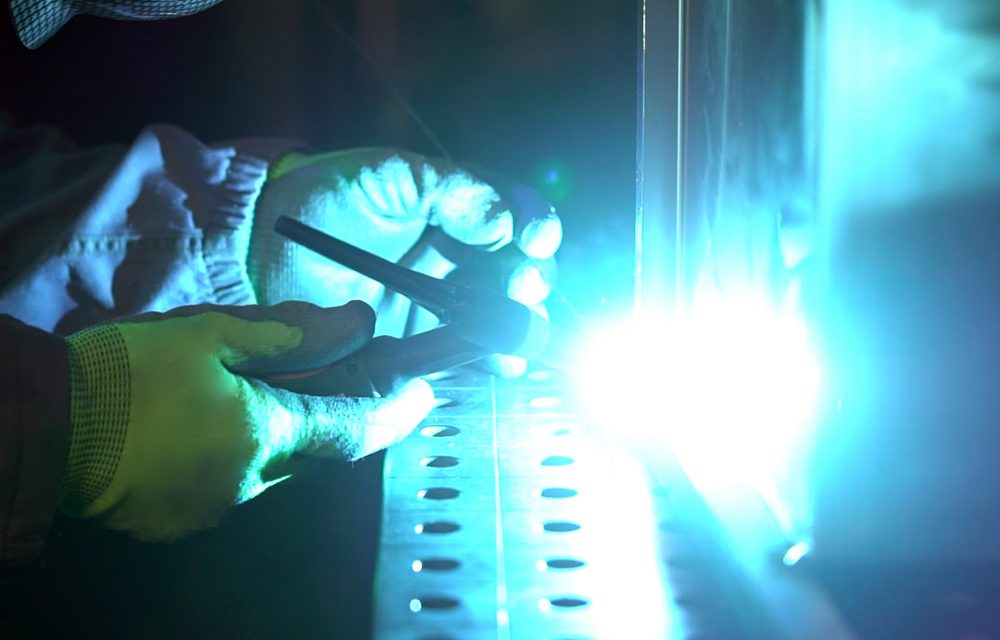
Mig-Tig welding

Deburring - Grinding

Metal satin finishing
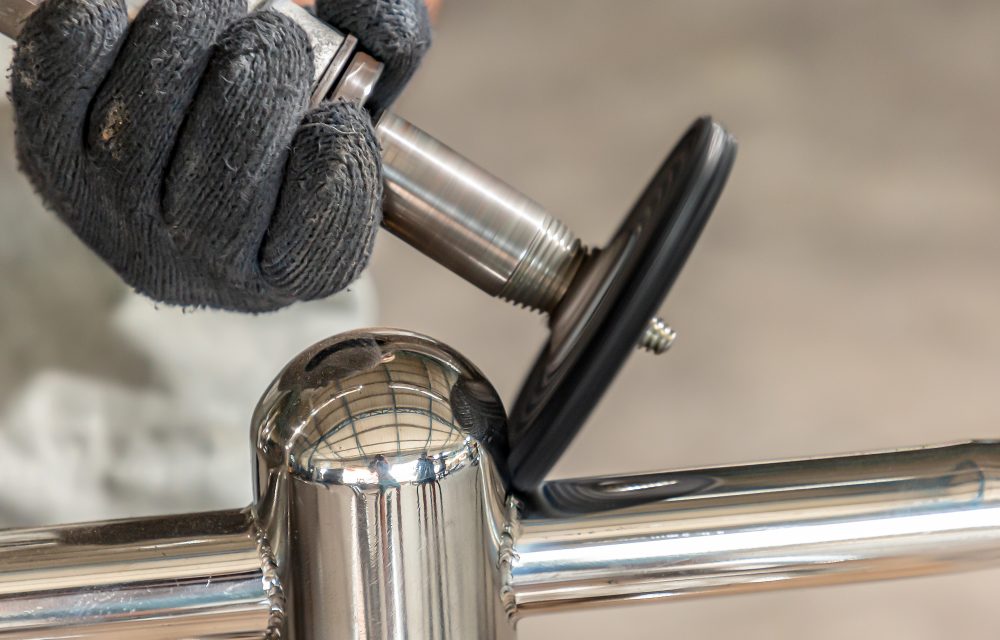
Metal Polishing

Shot peening
Embellishments
 No products in the cart.